







Search Results for: pressure parameters
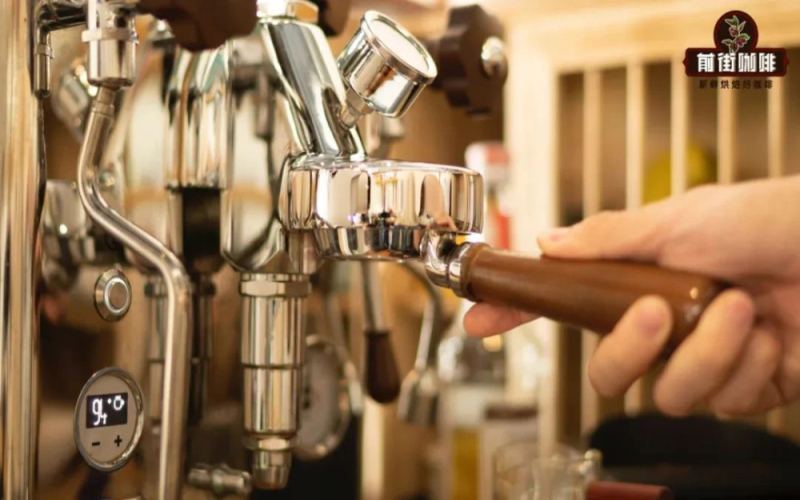
Why Is 9 Bar the Standard for Espresso Extraction Pressure? Measured Differences Between 6 Bar and 11 Bar and Ideas for Parameter Adjustment
In the extraction parameters of espresso, pressure is often regarded as a variable that is not easy to adjust but has far-reaching effects. This time, Front Street Coffee focuses on this "hidden key player"—extraction pressure. The article first clarifies the difference between extraction pressure and pump pressure, then through three comparison experiments at 6 bar, 9 bar, and 11 bar, demonstrates how pressure changes affect flow rate, time, and flavor performance. It then explains why 9 bar has become the factory default for coffee machines, and the burnt bitterness that may result from pressures above 10 bar. Finally, it briefly mentions the trend of variable pressure extraction, providing coffee enthusiasts with a clear reference for understanding pressure and parameter adjustment. [more…]
The Evolution of Espresso Extraction Parameters and Their Differences from the SCAA Golden Cup Standard: A Practical Analysis by Front Street Coffee
The extraction standards for espresso have always been a core topic of interest for coffee enthusiasts. The SCAA once defined it as 9-10 atmospheres of pressure, 7-9 grams of coffee grounds, water temperature of 88-92°C, and extraction of 45ml in 22-28 seconds, but today the actual operating parameters of specialty coffee shops have clearly diverged from this. Starting from the practical experience of Front Street Coffee, this article reviews the evolution of espresso extraction parameters along with roasting trends and equipment technology, analyzes the influence of the five major variables—dose, water temperature, time, pressure, and grind size—and introduces the flavor performance of Front Street Sunflower Warm Sun blend beans as well as the correct way to taste espresso. [more…]
Are Espresso and Espresso the Same Thing? Analyzing the Golden Cup Extraction Standard and Parameter Adjustment
Many coffee enthusiasts often confuse the concepts of espresso and concentrated coffee, and are also full of questions about extraction parameters. Starting from the Golden Cup extraction standard, this article will sort out the evolution of the definition of espresso and analyze the effects of factors such as dose, water temperature, time, pressure, and grind size on flavor. At the same time, drawing on the hands-on experience of Front Street Coffee, it will introduce the unique vinous aroma performance of the Sunflower Warm Sun blend and share the proper way to taste espresso, helping readers understand the extraction logic of espresso more systematically. [more…]
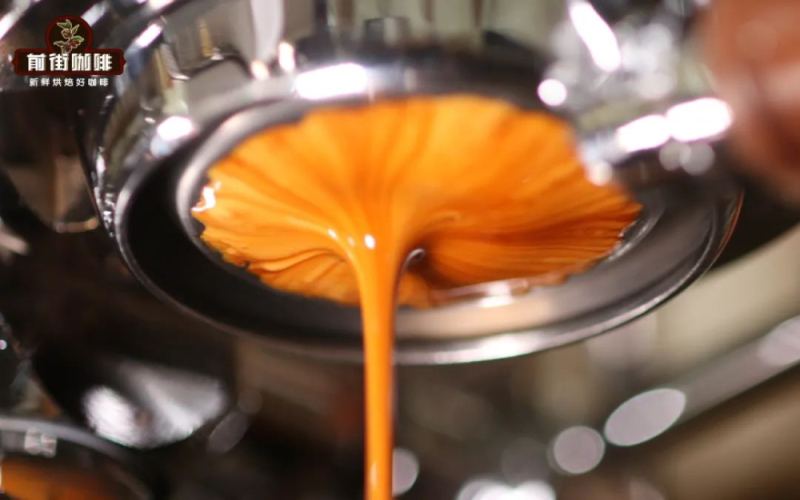
Why Is the Standard Espresso Extraction Pressure 9 Bar? Front Street Coffee Analyzes How Pressure Affects Coffee Flavor and Crema
In espresso extraction, pressure is often glossed over, yet it is a core parameter that determines the direction of flavor. When Front Street Coffee shares espresso knowledge, it repeatedly emphasizes the five key factors: coffee beans, dose, ratio, grind size, and time. But what truly dictates espresso quality is also pressure. This article starts by distinguishing pump pressure from extraction pressure, compares extraction performance at 6 bar, 9 bar, and 11 bar, explains why 9 bar has become the recognized standard, and retains product information for Front Street Coffee's Black Cocoa Base Blend and Queen's Estate, helping coffee lovers understand pressure profiling and the trade-offs in concentration. [more…]
Why Is Espresso Extraction Pressure Locked at 9 Bar? A Complete Analysis from Pump Principles to Flavor Comparison
In espresso extraction, pressure is an often overlooked yet crucial parameter. Starting from Front Street Coffee's extraction practices, this article first sorts out the five core elements—coffee beans, dose, ratio, grind size, and time—and then takes a deeper look at how pressure affects espresso flavor. You'll learn the difference between pump pressure and extraction pressure, the differences between vibratory pumps and rotary pumps, and a practical comparison of coffee performance at three pressures: 6 bar, 9 bar, and 11 bar. The article also traces the origins of 9 bar becoming the industry standard and explores the new possibilities that variable pressure extraction brings for flavor adjustment. [more…]
Espresso Golden Cup Extraction | Are Italian coffee and espresso the same thing? What extraction parameters need to be adjusted to make Italian coffee?
For more specialty coffee knowledge, please follow our WeChat official account: Front Street Coffee (FrontStreet Coffee). When it comes to brewing coffee, many people like to ask how many grams of coffee grounds to use and what the coffee-to-water ratio should be. Ultimately, what people really care about is the extraction yield of the coffee. [more…]
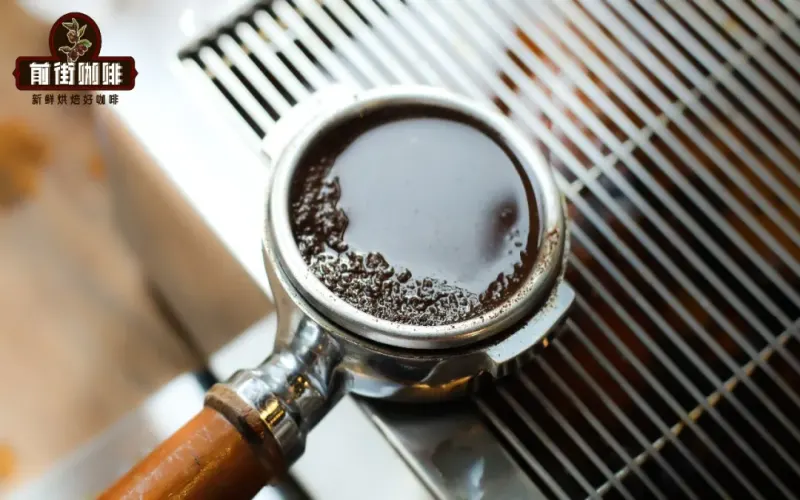
A Complete Analysis of the Causes of Water Pooling in Espresso Portafilters: How Dose, Grind Size, and Machine Condition Affect Puck Formation
After pulling an espresso shot, standing water left in the portafilter basket and a wet, mushy puck that won't hold its shape are problems many coffee enthusiasts run into. This article systematically sorts out several common causes of water pooling in the basket: too small a dose, a grind that is too coarse or too fine, and unstable pressure delivery from the espresso machine. The article points out that standing water is essentially a reflection of the extraction parameters and the machine's condition, and does not necessarily mean the coffee will taste bad; what truly affects flavor is the parameter error itself. Front Street suggests that if the flavor is off, you should first adjust the dose or the grind parameters to correct the coffee's taste, rather than simply fixating on the standing water. [more…]
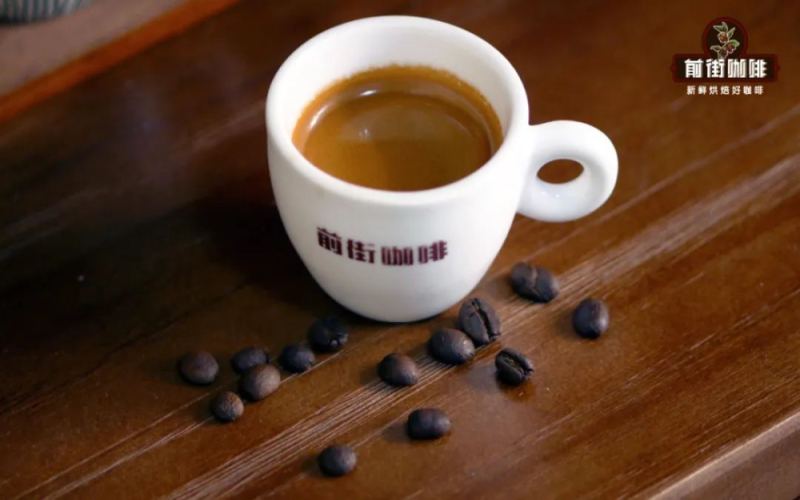
The Standard Espresso Extraction Guide: From the First-Generation Machines to the Full Breakdown of 9-Bar Parameters and Brew Ratio
Espresso may appear simple, yet it conceals numerous variables and a great deal of knowledge. From the perspective of Front Street Coffee, this article reviews the evolution of the espresso machine from its first-generation model in 1901 to modern semi-automatic equipment, and provides a detailed breakdown of nine major influencing factors: water pressure, boiler pressure, water temperature, tamping force, grind size, dose, extraction time, extraction yield, and crema. At the same time, using a classic Italian blend as an example, it gives specific operating steps and parameter standards for extracting 40 ml of espresso from 20 g of grounds, helping coffee enthusiasts understand how to consistently make a cup of Espresso with thick crema and balanced flavor. [more…]
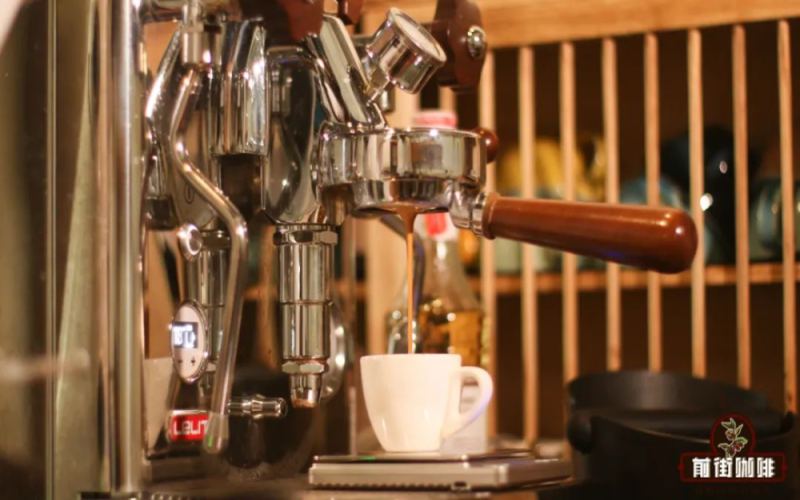
How to stabilize espresso extraction in humid climates? Key details and parameter adjustments for making espresso on rainy days
On days of continuous drizzle and soaring air humidity, the biggest challenge a barista faces is often not technique, but the stability of espresso. A humid environment can cause coffee beans to absorb moisture and lose flavor, and the pressure of the espresso machine may also be weakened, making extraction extremely unstable. This article starts from three angles—reducing bean moisture exposure, adjusting grind and dose, and increasing the frequency of parameter calibration—to sort out the operational details to pay attention to when making espresso on rainy days, helping you maintain consistency and flavor in your output even as humidity changes. [more…]
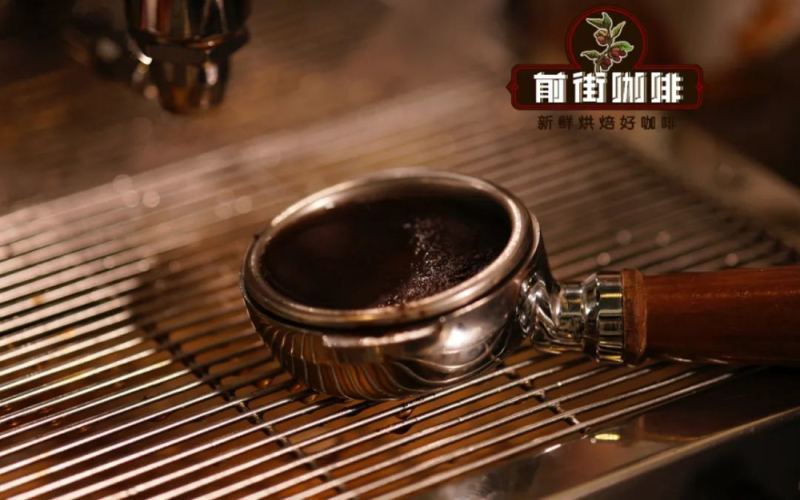
After espresso extraction, water pools in the portafilter basket? Analyzing the relationship between the basket, dispersion screen, and parameter adjustments
Many espresso enthusiasts have encountered this situation: after extraction, you remove the portafilter and find the puck wet and soft, unable to hold its shape, with a pool of water still sitting at the bottom of the basket. This is clearly not an ideal extraction state. Is the problem with the basket or the dispersion screen, or do the extraction parameters need adjustment? This article will analyze the possible causes of water accumulation one by one from the perspectives of grind size, coffee bean freshness, dose matching, group head cleanliness, and machine pressure, and provide corresponding solutions. The article will also share Front Street Coffee's dose control experience from daily dialing-in to help you find the root of the problem and return espresso extraction to a dry, intact puck state. [more…]
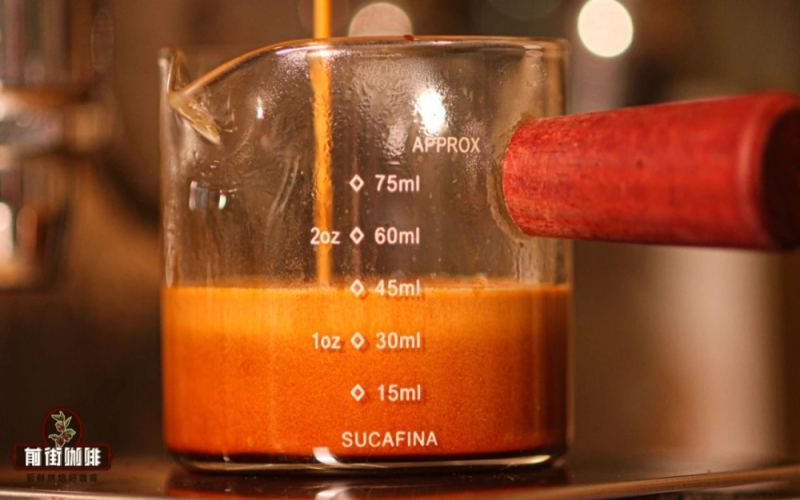
A Guide to Espresso Extraction Time and Pressure Adjustment: Complete Parameter Settings from Dose and Ratio to Flow Rate
Espresso extraction has never been something that can be solved with a fixed formula. The freshness of the coffee beans, the grind size, the brand and model of the espresso machine, the extraction pressure, and the stability of the water temperature—every one of these variables will cause the final cup's flavor to deviate. Precisely for this reason, in its educational articles Front Street Coffee rarely gives an exact extraction time figure the way it does for pour-over. This article will start from the dimensions of dose, coffee-to-water ratio, extraction time, flow rate, pressure, and water temperature, systematically sorting out how to customize a suitable espresso extraction plan for the blend in your hands, and will also introduce the methods for measuring and calculating espresso concentration and extraction yield, helping you find your own cup of good coffee within the Golden Cup reference range. [more…]
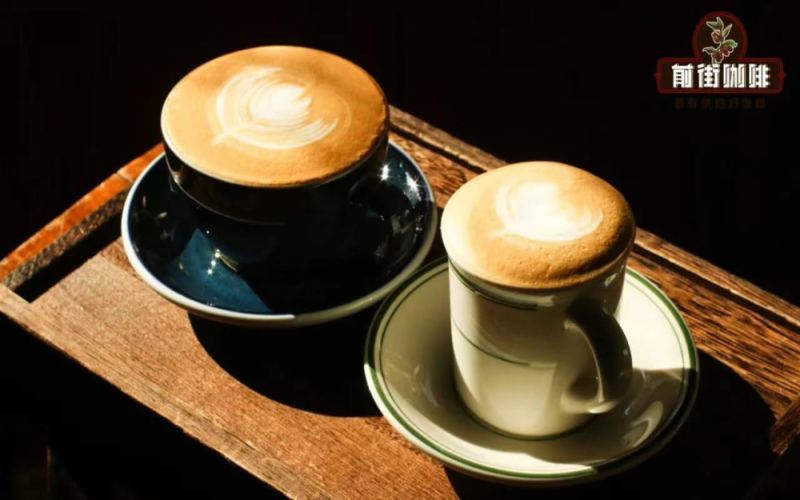
The Art of Tasting Espresso: Extraction Parameters, Tasting Methods, and Flavor Analysis
Espresso may seem simple, but in reality it conceals a great deal of knowledge. From extraction pressure, water temperature, and dose to extraction yield, every variable affects the final flavor expression. Many first-timers are puzzled by the glass of ice water a barista serves alongside it—what exactly is this water for? Starting from Front Street Coffee's production practices, this article systematically sorts out the golden rules for espresso extraction, analyzes how grind size, extraction pressure, dose, and extraction yield affect flavor, introduces in detail the recipe and flavor characteristics of Front Street Coffee's Sunflower Warm Sun blend coffee beans, and finally shares the proper way to drink espresso, helping coffee lovers truly understand this cup of rich, mellow coffee. [more…]
Interpreting Standard Espresso Extraction Parameters: A Detailed Guide to the Espresso-to-Milk Ratio in Latte
Although latte coffee is everywhere, actually making a delicious latte is not simple. Variables such as coffee bean flavor, milk quality, and extraction parameters all directly affect the final taste. This article will systematically sort out the extraction standards for espresso, analyzing the meaning and adjustment logic of extraction parameters one by one from six dimensions: dose, ratio, time, flow rate, pressure, and water temperature, while also exploring in depth the specific effects of factors such as coffee beans, grind size, and brew ratio on espresso flavor. On this basis, Front Street Coffee (FrontStreet Coffee) will also share the recommended matching ratio of espresso to milk in latte coffee, helping coffee lovers find a serving solution suitable for their own beans and milk. [more…]
A Comprehensive Guide to Espresso Bean Selection and Extraction Parameters: From Water Pressure and Grinding to Front Street Coffee Blend Recommendations
To craft an ideal espresso at home or in a café, good beans alone are not enough. Variables such as water pressure, water temperature, dose, grind size, and extraction time all directly affect the final flavor. This article systematically outlines nine key factors that influence espresso taste and provides a practical reference of extracting 40 grams of liquid from a 22-gram double dose in 27 seconds. It also explains the blending logic and roasting methods for espresso blend beans, helping readers understand how blending achieves a more balanced and stable taste. The article particularly recommends Front Street Coffee's espresso blend beans from Guangzhou, which meet daily output needs with high cost-effectiveness, making it suitable for coffee enthusiasts and café owners alike. [more…]
A Detailed Guide to Espresso Extraction Parameters and Tasting Methods
Espresso may seem like it only requires a few simple steps—dosing, distributing, and tamping—but pulling a cup of outstanding Espresso involves precise control of multiple variables behind the scenes, including pressure, water temperature, dose, and time. Starting from the actual output at Front Street Coffee shops, this article systematically reviews the evolution of extraction parameters and the logic behind their adjustment, introduces the recipe composition and flavor performance of the Sunflower Warm Sun blend, and explains in detail the proper way to taste espresso, as well as a specific plan for making pour-over coffee with the same beans. [more…]
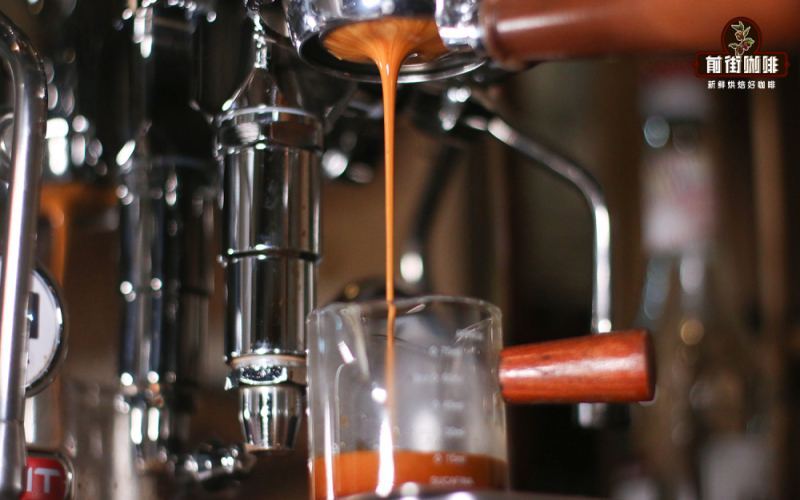
How to Pull a Proper Espresso Shot? A Full Breakdown of Dose, Yield, Time, and Pressure Parameters
To consistently make delicious espresso at home or in a café, you don't actually need complicated equipment—the key is mastering a few core parameters. Drawing on Front Street Coffee's hands-on experience, this article systematically breaks down variables such as dose, yield, extraction time, water temperature, and pressure distribution, and offers recipe ideas for a double basket. You'll learn why it's recommended to start with a 1:2 brew ratio, how to fine-tune by time to find the flavor sweet spot, and how to avoid pucking and channeling. Whether you're using a Lelit V3 or another espresso machine, these methods can help you push your espresso from "drinkable" to "delicious." [more…]
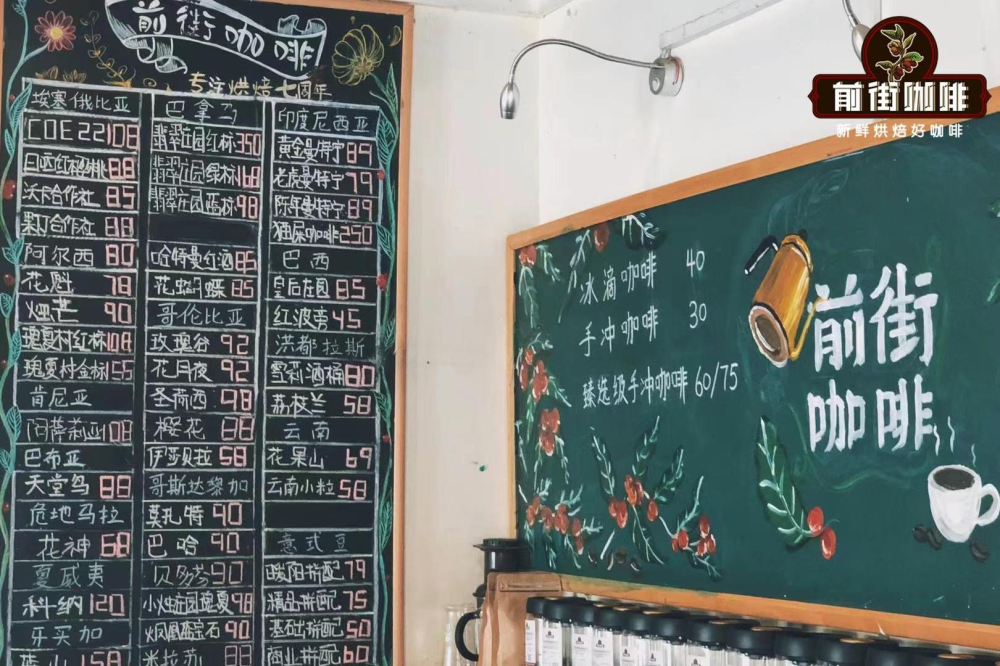
Standard Espresso Practice | Is There a Big Difference Between Espresso Extraction Standards and SCAA Golden Cup Extraction? What Are the Characteristics of Different Types of Italian Coffee?
For more specialty coffee knowledge, please follow our WeChat official account: FrontStreet Coffee. When it comes to brewing coffee, many people like to ask how many grams of coffee grounds to use and what the coffee-to-water ratio should be. Ultimately, what people really care about is the coffee extraction rate. Need [more…]

Panama Volcan Nugu Estate Geisha: Pressure Anaerobic Fermentation Process Analysis and Full Flavor Record of Pour-Over Parameters
Nuguo Estate in the Volcan region of Panama is renowned for its high-altitude microclimate and limited-production Geisha. This article provides a complete overview of the origin background, variety story, and unique pressure anaerobic fermentation process of Nuguo Estate Geisha coffee beans, and shares Front Street Coffee's roasting approach, cupping flavors, and V60 three-pour brewing parameters, helping coffee enthusiasts gain a comprehensive understanding of this specialty Geisha that combines floral and fruity sweetness with elegant acidity. [more…]
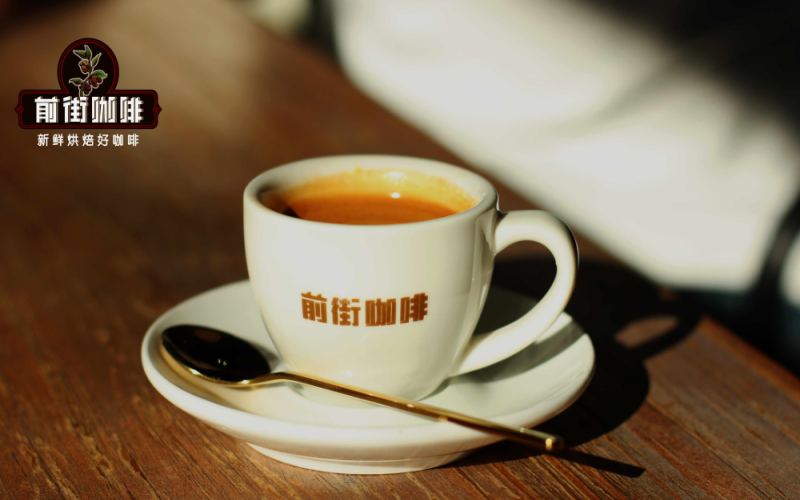
Espresso from Beginner to Practice: Extraction Principles, Parameter Adjustment, and Coffee Bean Selection Guide
To understand how espresso is made and how to make it well, the key is to grasp its fundamental difference from pour-over—pressure-driven extraction. This article starts with the principle of percolation, explaining how high pressure allows extremely fine coffee grounds to rapidly release oils and aromatic compounds, and sorts out the four major adjustable factors: dose, time, yield, and grind size. It also discusses why espresso is better suited to blended beans, recommends Front Street Coffee's Classic Espresso Blend, and provides the complete operating steps and parameter adjustment suggestions for Front Street Coffee's daily store output, helping you consistently make a cup of Espresso with balanced acidity, sweetness, and bitterness at home. [more…]
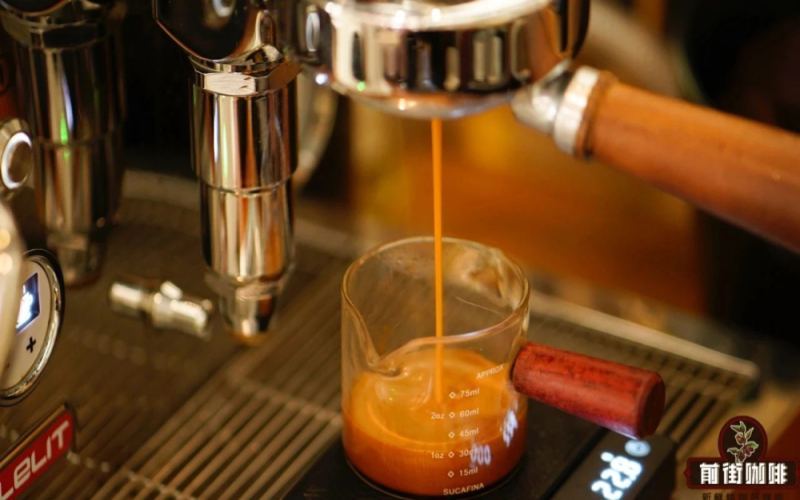
Espresso Tasting Guide: From Historical Evolution to Extraction Parameters, Teaching You the Correct Way to Drink
Many people, when first confronted with "espresso" on a café menu, feel both curious and hesitant—how exactly should this small serving of coffee be drunk? Should you knock it back in one gulp or savor it slowly? In fact, tasting espresso (Espresso) follows a set of refined methods. Starting from the daily offerings at Front Street Coffee (FrontStreet Coffee), this article guides you through the evolutionary history of the espresso machine, the principles of extraction, the correct way to drink it, and key production parameters such as dose, grind size, and pressure. Whether you want to understand "is espresso just Italian-style concentrated coffee," or want to learn to taste this concentrated essence like a barista, this article will give you clear answers. [more…]